
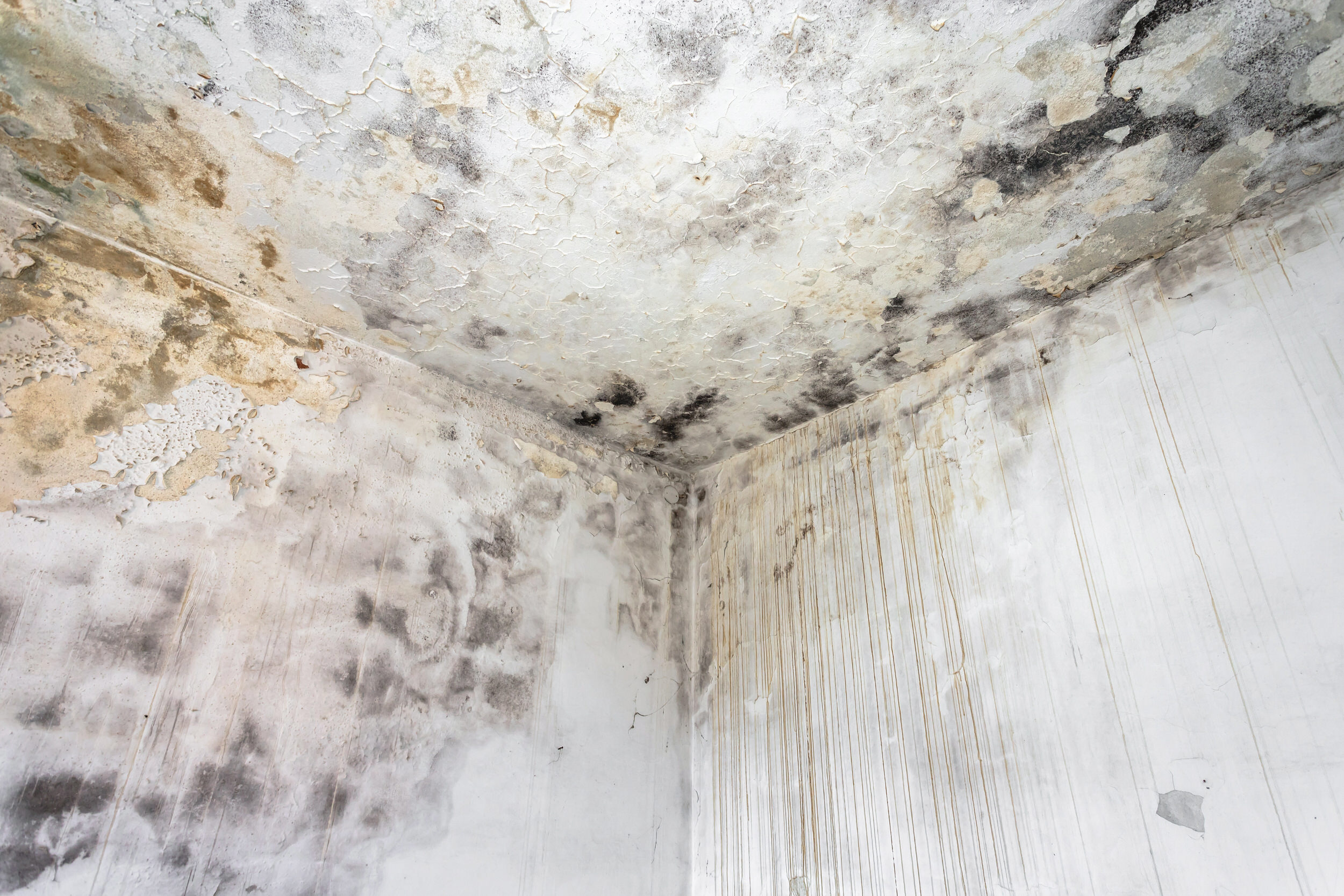
Someone spots mold on a bathroom ceiling, calls for "mold removal," and gets a crew that sprays and wipes the visible patch. A few months later it is back in the same spot. The service they got and the service they needed were not the same thing, and in Florida's humidity, that gap shows up fast. Knowing the difference between mold removal and mold remediation before you hire anyone is the easiest way to avoid paying for the same job twice.
What "Mold Removal" Usually Means
Mold spores exist naturally almost everywhere, indoors and out, so no one can remove every spore from a home. When a company advertises mold removal on its own, it usually means surface cleaning: identifying the visible growth, applying a cleaner or antimicrobial, and scrubbing or wiping it away. It is fast, and it can make a spot look clean within an hour.
What a surface clean does not do is check for moisture behind the wall, look for growth inside a cavity you cannot see, or ask why that spot got wet in the first place. Removing visible growth is one step of a proper job. On its own, it treats the symptom.
What Mold Remediation Actually Involves
Remediation is a process, and it runs in a specific order.
Find and Fix the Moisture Source
A slow plumbing leak, a roof intrusion, poor bathroom ventilation, or a drainage problem outside the foundation. Without this step, nothing else holds.
Contain the Area
Containment keeps spores from spreading into the rest of the home while the work is underway.
Remove What Cannot Be Cleaned
Porous materials that absorbed moisture, such as drywall, insulation, or carpet padding, are removed rather than treated in place, because mold grows into them where surface cleaning cannot reach.
Treat, Dry, and Verify
Remaining surfaces are treated, and the space is dried until moisture readings confirm the materials are actually dry, not just dry to the touch. When the mold followed a leak or flood, this step overlaps with water damage restoration.
Mold is a symptom. The moisture is the problem. Cleaning the surface while the moisture source keeps feeding it is how the same spot grows mold again a few months later.
Why the Difference Costs You Money
A surface clean is cheaper up front, which is part of why it gets sold so often. If the leak, ventilation issue, or drainage problem is still there, the mold comes back, usually spread further into the structure. The second job almost always involves more material removal than the first would have, because the moisture has had more time to do damage.
How to Tell Which One You Need
A small, isolated spot with a moisture source that is already fixed and dried, like a one-time spill that was cleaned up right away, may only need cleaning. These signs point toward remediation instead:
- The mold followed a leak or flood that was not dried within 24 to 48 hours.
- You smell a musty odor but cannot see where it is coming from, which often means growth inside a wall cavity or under flooring.
- The mold came back after a previous cleaning, a sign the cause was never addressed.
- The affected area is larger than about ten square feet, the size at which EPA cleanup guidance suggests bringing in a professional rather than handling it yourself.
For more on the critical window right after a leak or flood, see our guide on how to prevent mold after water damage.
What a Proper Assessment Looks Like
Stanford Restoration is a State Certified Mold Remediator (#MRF2264), and our team is IICRC certified in mold remediation. On a mold call, we start by finding the moisture source, using moisture meters to check surrounding materials and see how far growth has actually spread, not just how far it is visible. If a spot genuinely only needs cleaning, we will say so. If it needs full remediation, we will explain which moisture problem is driving it and what the work involves, and we will work with your insurance company along the way.
Get It Looked At Properly
If you are dealing with mold and are not sure which service you need, ask before you book anything. Stanford Restoration serves St. Johns, Duval, Clay, Flagler, Putnam, and Volusia counties from St. Augustine. Get a FREE Quote, or call us at (904) 808-8556 in St. Johns and Duval counties or (386) 447-0047 in Flagler and Volusia counties.