
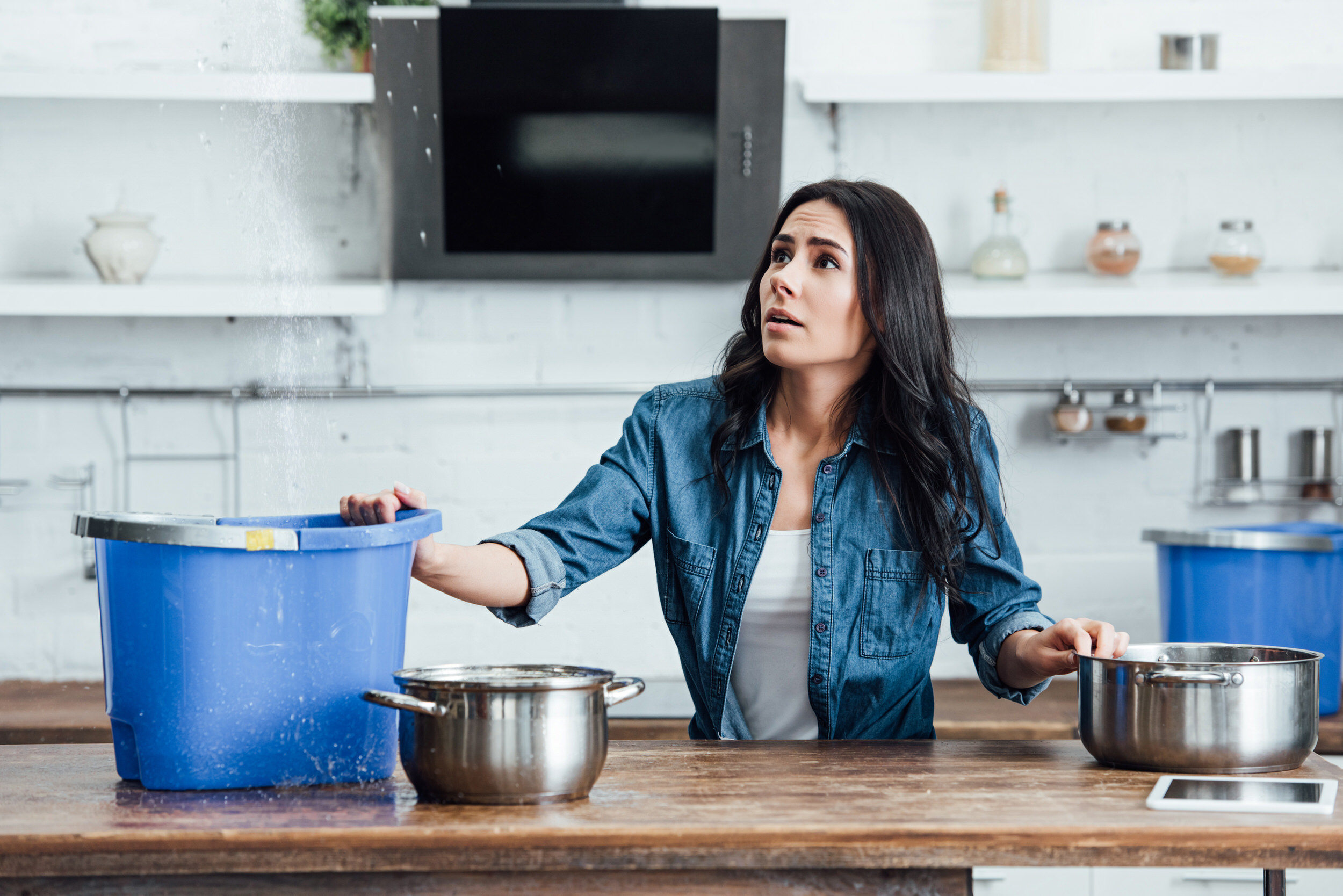
Water damage moves fast. What starts as a wet carpet or a stained ceiling can turn into structural damage and mold growth within days if it isn't handled correctly. Here's what to do in the first 60 minutes, and why the choices you make right away matter for both your property and your insurance claim.
Make Safety the First Priority
Before you enter an affected area, check for electrical hazards, contaminated water, and visible structural damage. Standing water near outlets, appliances, or a service panel is a serious shock risk. If ceilings are sagging or drywall is bulging, stay out of the room until a professional can assess it. When in doubt, wait for qualified help rather than risk it.
Water damage is also categorized by how contaminated it is. Clean water from a supply line is very different from floodwater or sewage backup, which can carry bacteria and require full protective equipment to handle safely. If you're not sure which you're dealing with, treat it as contaminated until a technician confirms otherwise.
Stop the Source When It's Safe
If you can safely reach the main water shutoff, turn it off to stop the flow. Don't wade into standing water to get there if it's anywhere near electrical components. For smaller leaks, like a supply line under a sink, shutting off the local valve is usually enough.
Document Everything Before You Move Anything
Photograph and video the affected rooms, materials, and belongings before you start moving or discarding anything. Note the time you discovered the damage and how it happened. This documentation is often the difference between a smooth insurance claim and a disputed one, and it's something our team can help you organize once we're on site.
Call a Qualified Restoration Team
Water doesn't stay where you can see it. It travels behind walls, under flooring, and into insulation, which is why a visual inspection alone isn't enough. Stanford Restoration's technicians use advanced moisture meters to map the full extent of water intrusion, even in places that look dry on the surface.
Our water damage professionals are certified by the IICRC in water damage restoration and structural drying, and we aim to be on site within 60 minutes, 24 hours a day, 7 days a week. That speed matters: the longer water sits, the more it costs to fix.
What Happens During Professional Restoration
Once we arrive, we extract standing water using truck-mounted extraction units, then bring in state-of-the-art drying equipment to prevent secondary damage to your walls, floors, and belongings. We take daily moisture readings to make sure everything is drying down within IICRC standards, and provide complete documentation for your insurance company. Since Stanford Restoration is a certified building contractor in the state of Florida, we can also handle the structural repairs needed to get your home back to its pre-loss condition.
Working With Your Insurance Company
We document the damage, drying progress, and moisture readings throughout the job and can provide that documentation directly to your insurance adjuster. Having a licensed, certified contractor's paperwork behind your claim tends to move things along faster than trying to piece it together yourself.
What Not to Do
- Don't use a household vacuum on standing water — it isn't built for it and creates a shock hazard.
- Don't touch or disturb visibly contaminated water without protective equipment.
- Don't wait for materials to feel dry to the touch before requesting an assessment. Drywall and subflooring can hold moisture well after the surface feels fine, which is exactly the kind of hidden damage that leads to mold later.
- Don't throw away damaged items before documenting them for your insurance claim.
Get Help Fast
If you're dealing with water damage right now, call us. We serve St. Augustine and the surrounding counties 24/7, and getting a professional assessment started in the first hour makes a real difference in what can be saved.